

MILESTONE 36
Safety & General Signage
Implementing proper safety and general signage throughout the facility ensures compliance, reduces risk, and promotes a culture of safety. Clear, well-placed signage reinforces procedures, improves awareness, and minimizes workplace accidents. This milestone focuses on making safety visible across all areas of the body shop to enhance operational efficiency and protect your team.

Impact of Facility Signage & Safety Protocols
Having the right signage and safety reminders in place supports daily compliance, prevents costly accidents, and creates a safer work environment. It encourages a safety-first mindset while maintaining operational flow.

Cost Efficiency
Preventing on-site injuries lowers insurance claims, downtime, and operational disruptions.

Enhanced Safety
Visible signs keep safety top of mind, reducing the likelihood of accidents.
Compliance & Readiness
Ensures your facility meets regulatory safety standards and audit expectations.

Tool & Equipment Safety
Reinforcing proper use of tools through signage and training helps protect staff and extend equipment lifespan.

Pillars – Key Components of Optimization
Optimizing masking practices requires the right products, organized workspaces, and trained technicians. These areas ensure clean, consistent, and cost-effective results.
.jpg)
Signage Visibility & Placement
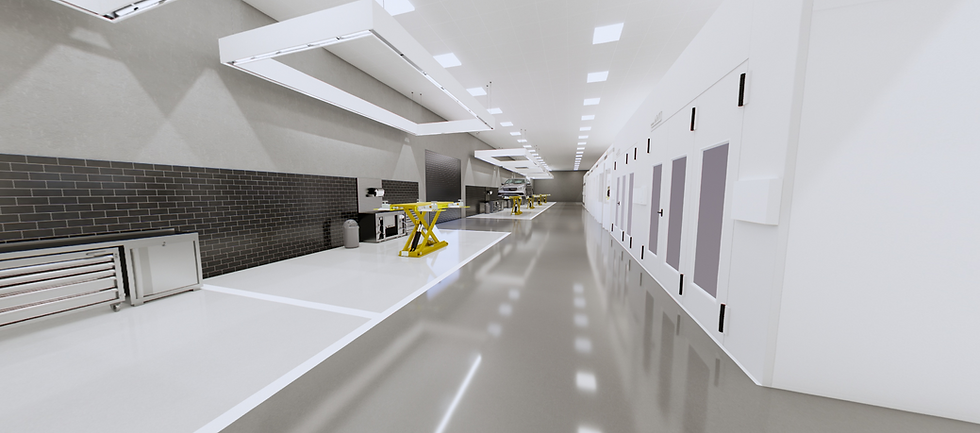
Ensure all hazard zones, exit paths, PPE requirements, and equipment areas are clearly marked.

.png)
Tool Usage Protocols
Reinforce safe tool operation with instructional signage near workstations.


Facility-Wide Safety Messaging
Use signage to promote clean workspaces, emergency response actions, and traffic flow guidance.

Client’s milestones & action steps to focus on
The process begins with a clear summary of well-established good practices, followed by an evaluation of areas needing improvement. We analyze current challenges, explaining their negative effects on business performance. From there, we develop a structured solution with clear action steps.

STEP 01
Assess Current Processes
Identify and document the GOOD processes that are effectively in place, followed by an evaluation of the BAD / NOT IMPLEMENTED processes that require improvement.

STEP 02
Analyze Challenges & Impact
Examine the problems within the current setup, explain why they are important, and highlight the negative effects on business performance in areas such as efficiency, costs, and customer satisfaction.

STEP 03
Implement Solutions & Action Steps
Develop a structured plan that includes:
-
Explanation of the solution and its positive impact on business operations.
-
Breakdown of action steps, with responsibilities assigned to specific owners.
-
Set due dates for accountability and timely execution.
-
Introduction of the Quick Reference Guide (QRG) to support ongoing improvements.
Tracking Progress & Driving Continuous Improvement
After the completion of each milestone and associated tasks it's important to review progress, address identified challenges, and reinforce the importance of the process improvements.
Continuous assessment of completed and uncompleted action steps, identifying any roadblocks or issues that may be hindering progress should be conducted. If necessary, the reasons behind these challenges should be revisited to ensure clarity and alignment to drive continuous improvement.

Accountability Check
A review of assigned responsibilities and due dates ensures tasks remain on track.
.png)
Problem Analysis
Any persistent issues in current processes are re-examined, highlighting their negative effects on business performance.
.png)
Solution Reinforcement
The proposed solution and its benefits across key business areas are reiterated.

Action Plan Updates
Steps are refined as needed, with clear assignments, owners, and deadlines to maintain momentum.

